Water damage can happen suddenly and without warning. A broken pipe, leaking appliance, heavy rain, or plumbing failure can quickly allow water to spread throughout a home. When this happens, knowing what steps to take right away can make a major difference in how much damage occurs.
In Winter Park FL, warm temperatures and humidity can make water damage even more concerning because moisture left inside a property may lead to mold growth. Acting quickly helps reduce the risk of structural damage and prevents moisture from spreading into walls, flooring, and other building materials.
Understanding the right actions to take immediately after water damage helps homeowners protect their property while preparing for professional water damage restoration.
Stop the Water Source if Possible
The first step after discovering water damage is stopping the source of the water if it can be done safely. If the damage is caused by a plumbing issue, shutting off the main water valve may stop additional water from entering the home.
For appliance leaks, turning off the water supply connected to the appliance may help prevent more water from escaping. In situations where the source of water is a roof leak or storm damage, temporary containment such as buckets or towels may help limit the spread until repairs can be made.
Stopping the flow of water as quickly as possible helps reduce the amount of moisture that spreads through the property.
Turn Off Electricity in Affected Areas
Water and electricity can create serious safety risks. If water has reached electrical outlets, appliances, or wiring, the electricity in the affected area should be turned off immediately.
This step helps prevent electrical shock and reduces the risk of further hazards inside the home. If it is not safe to access the electrical panel or if water levels are high, it may be best to leave the area and wait for professionals to handle the situation.
Safety should always be the priority when responding to water damage.
Protect Furniture and Personal Belongings
Once the water source has been stopped and the area is safe, the next step is protecting belongings from further exposure to moisture. Furniture, electronics, rugs, and other items should be moved away from wet areas when possible.
Placing aluminum foil or small blocks beneath furniture legs may help reduce water absorption if items cannot be fully removed from the room. Important belongings such as documents or electronics should be relocated to dry areas immediately.
Removing personal items from wet areas helps limit additional damage while restoration work is being arranged.
Remove Standing Water if Possible
Standing water should be removed as soon as possible. The longer water sits inside a property, the more it can soak into building materials such as drywall, wood, and flooring.
For small amounts of water, mops and towels may help remove moisture from surfaces. Wet vacuums can also be useful for extracting water from carpets or flooring.
However, large amounts of water often require specialized extraction equipment. Professional water damage restoration teams use powerful pumps and extraction systems to remove water quickly and efficiently.
Fast removal of standing water is one of the most important steps in reducing damage.
Increase Air Flow and Ventilation
After standing water has been removed, increasing air circulation helps begin the drying process. Opening windows and doors may allow fresh air to move through the affected areas when weather conditions permit.
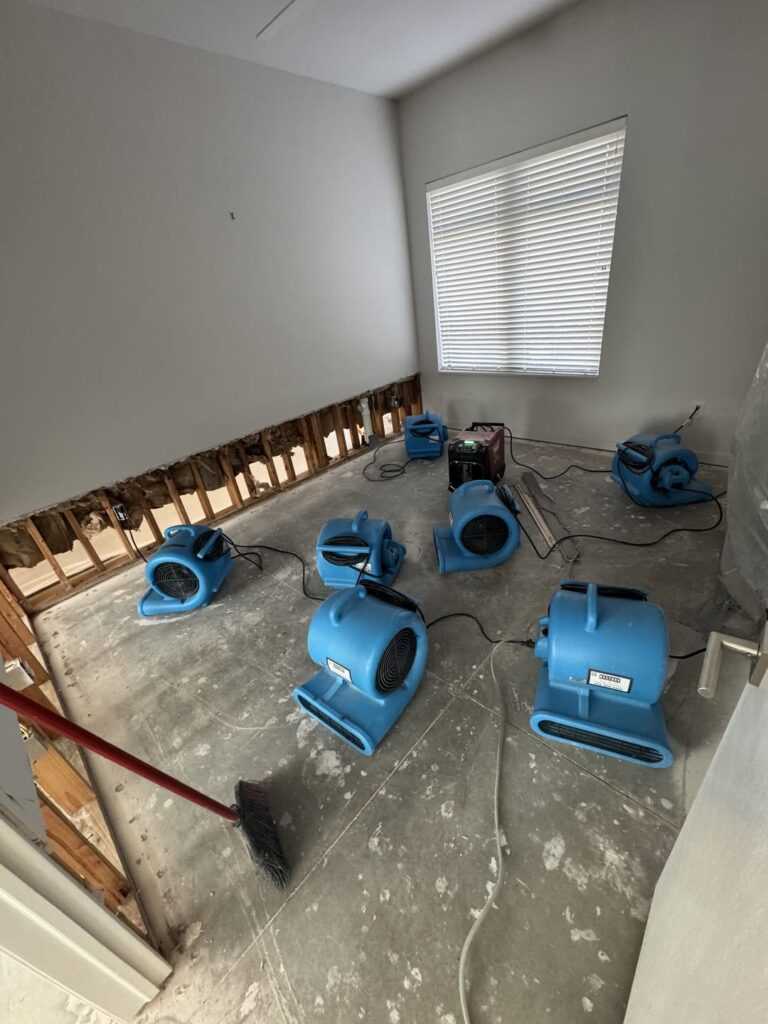
Fans can also help circulate air across wet surfaces and speed up evaporation. Increasing airflow helps remove moisture from carpets, walls, and other materials that may have absorbed water.
While these methods can assist with minor moisture issues, larger water damage situations usually require professional drying equipment to remove moisture completely.
Document the Damage
Documenting water damage is important for insurance purposes. Property owners should take photographs and videos of affected areas before cleanup begins whenever possible.
Images should capture damaged flooring, walls, ceilings, and personal belongings that have been affected by the water. These records can help provide clear evidence of the damage when filing an insurance claim.
Keeping records of repair estimates, restoration services, and damaged items may also help during the claims process.
Contact a Professional Water Damage Restoration Company
Even when visible water has been removed, moisture may still remain inside building materials. Water can travel behind walls, beneath flooring, and inside insulation where it cannot be easily seen.
Professional water damage restoration teams use specialized tools to detect hidden moisture throughout the property. Moisture meters and thermal imaging equipment help locate areas where water may still be present.
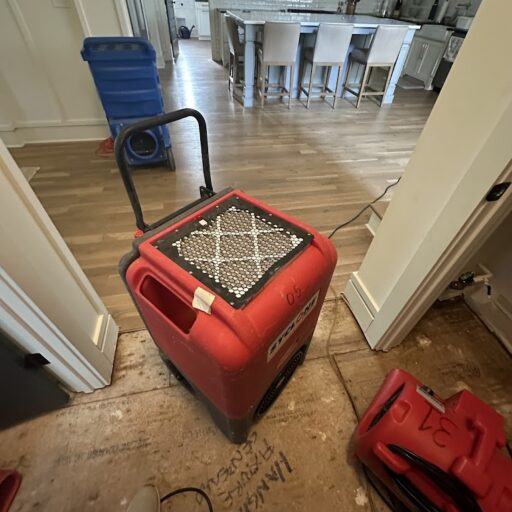
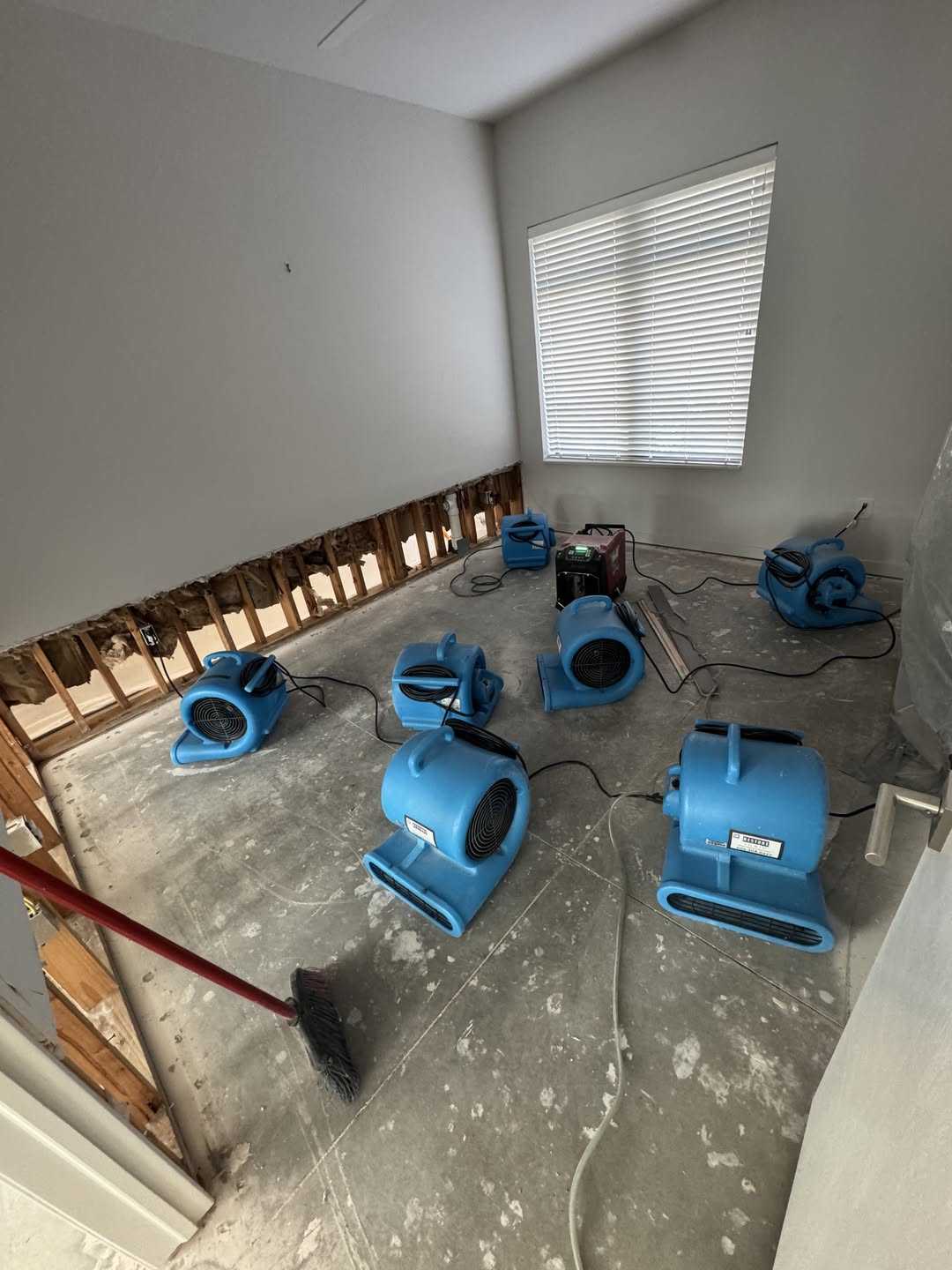
Restoration professionals also use commercial drying equipment such as air movers and dehumidifiers to remove moisture from the structure. Proper drying is essential for preventing long term damage and reducing the risk of mold growth.
Prompt restoration services help stabilize the property and restore affected areas safely.
Watch for Signs of Mold After Water Damage
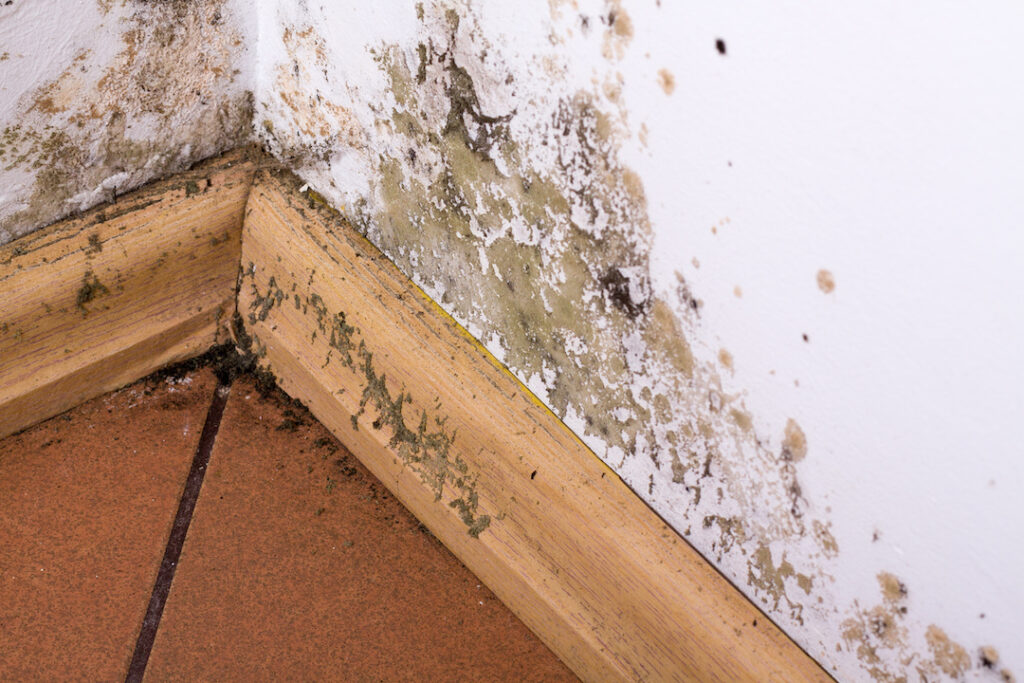
Mold can begin developing quickly when moisture remains inside a property. In warm climates like Winter Park FL, mold may begin growing within a short period if water damage is not addressed properly.
Property owners should watch for signs such as musty odors, discoloration on walls or ceilings, or persistent dampness in certain areas of the home. These warning signs may indicate that moisture is still present or that mold may be developing.
Early detection and professional restoration help prevent mold from spreading and affecting larger areas of the property.
Preventing Long Term Water Damage
After the immediate situation has been addressed, taking steps to prevent future water damage can help protect the home. Regular inspection of plumbing systems, appliances, roofing materials, and drainage systems may help identify potential issues before they lead to water intrusion.
Maintaining gutters and ensuring proper drainage around the property can also help direct rainwater away from the home. Monitoring humidity levels indoors may further reduce the risk of moisture related problems.
Preventative maintenance plays an important role in protecting homes from future water damage.
Protecting Homes in Winter Park FL
Water damage can be stressful for property owners, especially when it occurs unexpectedly. Acting quickly and following the correct steps can help reduce the extent of damage and protect the structure of the home.
Stopping the source of water, protecting belongings, removing standing water, and beginning the drying process are all critical actions after water damage occurs. Professional water damage restoration helps ensure that moisture is completely removed from the property and that affected areas are properly restored.
For homeowners in Winter Park FL, responding quickly to water damage helps prevent additional problems and keeps indoor spaces safe, dry, and functional for years to come.