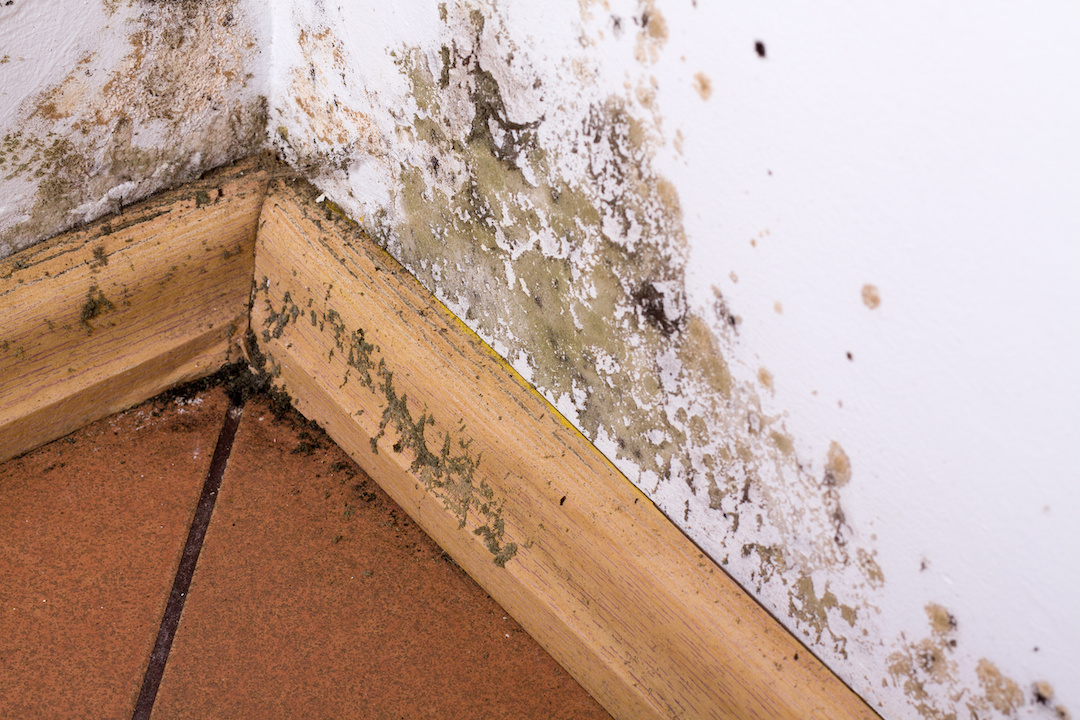
Water damage inside a home can quickly turn into a much larger problem if moisture is not properly removed. In warm and humid environments like Winter Park FL, moisture left behind after a leak or flooding can create the ideal conditions for mold growth. Many property owners are surprised to learn that mold does not take weeks or months to appear. In many cases mold can begin developing much sooner than expected.
Understanding how quickly mold can grow after water damage helps homeowners recognize the importance of fast cleanup and proper drying. When moisture remains trapped inside walls, flooring, insulation, or structural materials, mold spores can begin to grow and spread through the indoor environment.
Water damage restoration and mold prevention are closely connected. Addressing moisture early is one of the most effective ways to prevent mold from becoming a serious issue inside a property.
Why Mold Develops After Water Damage
Mold exists naturally in the environment. Microscopic mold spores are constantly present in the air both indoors and outdoors. These spores usually remain inactive until they land on a surface that contains enough moisture and organic material to support growth.
Building materials inside homes often provide ideal surfaces for mold. Drywall, wood, insulation, and certain types of flooring contain organic components that mold can feed on when moisture is present. Once water damage occurs these materials may remain damp for long periods if they are not properly dried.
The climate in Winter Park FL also plays a role. Warm temperatures and high humidity levels create conditions where mold can grow more easily compared to cooler or drier environments. When moisture from water damage combines with warm indoor temperatures, mold spores may begin developing rapidly.
How Quickly Mold Can Begin Growing
Many people assume mold takes a long time to develop after water damage. In reality the process can begin much faster. In many situations mold growth may start within twenty four to forty eight hours after moisture becomes trapped inside building materials.
When drywall, carpeting, or insulation becomes wet, the moisture provides an immediate environment where mold spores can activate. The spores absorb the moisture and begin producing mold colonies that expand across the affected surface.
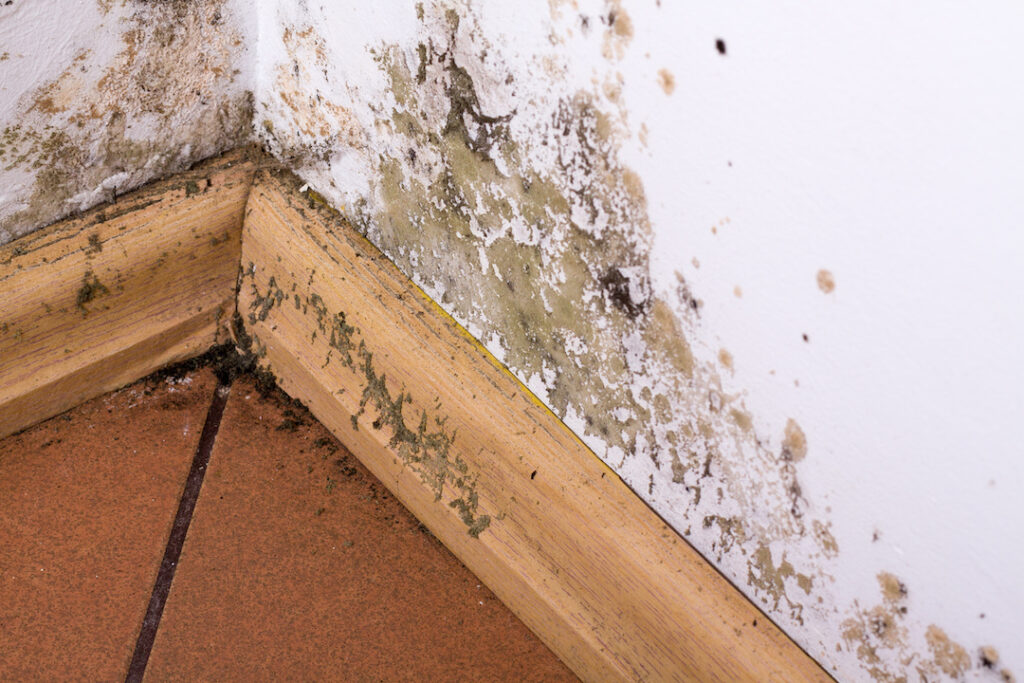
At first the growth may not be visible. Mold often begins developing behind walls, beneath flooring, or inside insulation where moisture remains trapped. By the time visible mold spots appear on walls or ceilings the growth may already be spreading inside hidden areas of the structure.
This is why early water damage restoration is so important. The faster moisture is removed, the lower the chance that mold will have time to establish itself.
Common Situations That Lead to Mold Growth
There are several situations where water damage in Winter Park FL homes may create conditions that allow mold to grow quickly.
Plumbing Leaks
Small plumbing leaks that go unnoticed for long periods often create ideal environments for mold. A slow leak inside a wall or beneath a sink may keep surrounding materials damp for days or even weeks. This steady moisture supply allows mold spores to grow and spread across nearby surfaces.
Roof Leaks After Storms
Roof leaks caused by heavy rain may allow water to enter attic spaces. Insulation and wood framing in the attic can absorb moisture and remain damp long after the storm passes. Without proper drying this trapped moisture may lead to mold development.
Appliance Leaks
Water lines connected to refrigerators, dishwashers, or washing machines may leak over time. Moisture trapped beneath flooring or behind appliances may remain hidden while mold begins to grow.
Air Conditioning Condensation Problems
Air conditioning systems produce condensation during operation. If the drainage system becomes clogged or blocked, water may collect around the unit and soak surrounding materials. In warm climates this moisture may encourage mold growth in areas near the air handler.
Flooding or Major Water Intrusion
Flooding events or large plumbing failures introduce significant amounts of water into a home. When large sections of flooring, drywall, and insulation become saturated, mold growth may occur quickly if professional drying is not performed.
Signs That Mold May Be Developing
Because mold often grows in hidden areas, the earliest warning signs may not always be visible. Property owners in Winter Park FL should watch for indicators that moisture or mold may be present after water damage.
One of the most common signs is a musty odor. Mold often produces a strong earthy smell that becomes noticeable in rooms where growth is occurring. This smell may appear before visible mold is seen.
Discoloration on walls or ceilings can also signal mold growth. Dark spots, staining, or unusual patches on drywall may indicate that moisture has allowed mold to form behind the surface.
Peeling paint, warped flooring, or damp drywall may also suggest that moisture remains trapped inside building materials. When these conditions are present, it is important to investigate further and address the underlying water issue.
Why Proper Drying Is Essential After Water Damage
Simply removing visible water is not always enough to prevent mold. Moisture can remain trapped inside porous materials even after surfaces appear dry.
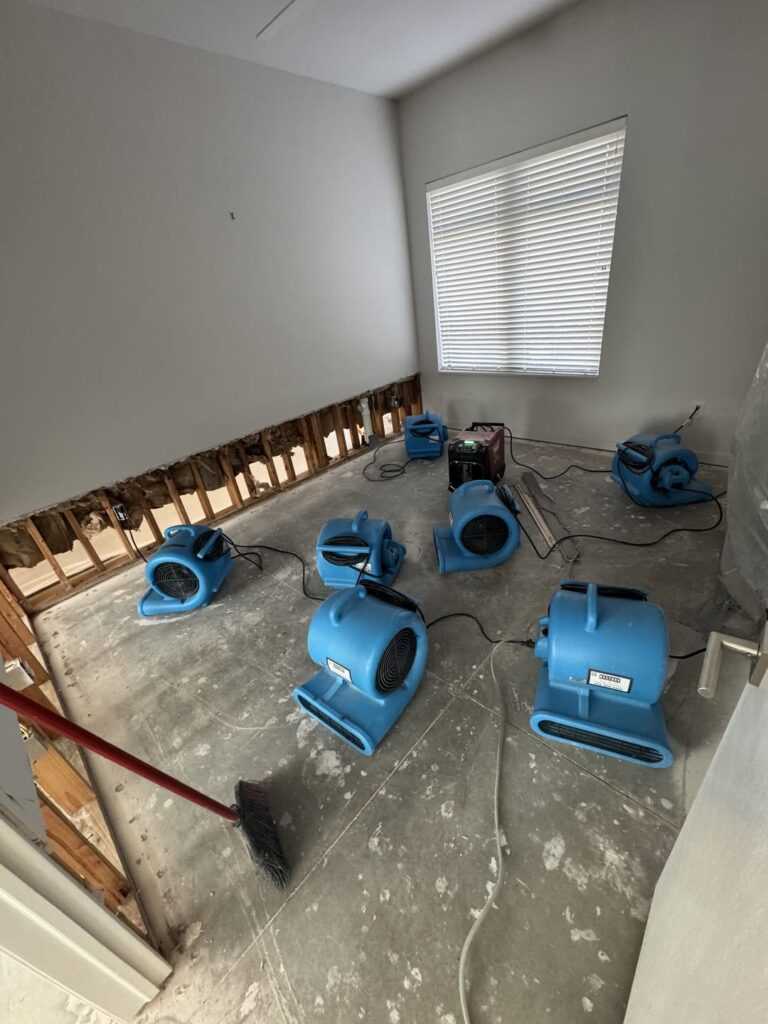
Professional water damage restoration focuses on removing moisture from the entire affected area. Restoration teams use specialized equipment to extract water and accelerate the drying process throughout the structure.
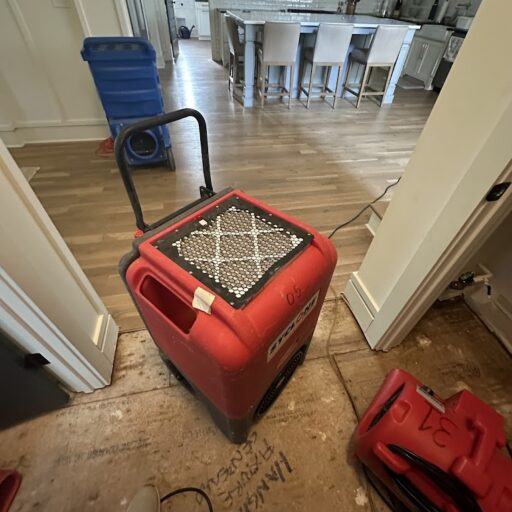
High powered air movers circulate air across wet surfaces to promote evaporation. Dehumidifiers remove moisture from the air so that building materials can dry more effectively. Moisture detection tools help identify hidden areas where water may still be present.
By thoroughly drying the property, restoration professionals reduce the chance that mold spores will find the moisture they need to grow.
Mold Prevention After Water Damage
Preventing mold growth begins with addressing water damage as soon as possible. The longer moisture remains inside a property, the more opportunity mold has to develop.
Property owners can take several steps to reduce the risk of mold following water damage. Identifying and repairing the source of water intrusion is the first priority. Leaks from plumbing systems, roofs, or appliances must be corrected so that moisture does not continue entering the structure.
Drying the affected area quickly is also essential. Fans and ventilation may help reduce moisture in minor situations, but larger water damage incidents often require professional restoration equipment.
Monitoring humidity levels inside the home can also help prevent mold growth. Maintaining proper indoor humidity makes it more difficult for mold spores to develop even when small amounts of moisture are present.
Protecting Homes in Winter Park FL from Mold
Mold growth after water damage can create serious problems for property owners. Beyond damaging building materials, mold may spread through indoor spaces and become difficult to remove once it is well established.
Understanding how quickly mold can grow highlights the importance of acting fast when water damage occurs. In a climate like Winter Park FL where humidity and warm temperatures are common, moisture left untreated can quickly lead to mold development.
Water damage restoration and proper drying play a key role in protecting homes from these issues. By removing moisture thoroughly and addressing water problems early, property owners can greatly reduce the risk of mold growth and protect the condition of their property.
Taking action quickly after water damage helps keep homes safe, dry, and free from the long term problems that mold can create.